In today’s connected world, technology has brought people closer together changing traditions and beliefs. While this has created new opportunities for learning and communication, it has also led to challenges in keeping cultural traditions alive. People live longer and the generation gaps are ever widening and disconnecting. Bringing different generations together is a great way to help people make friends and share knowledge. Intergenerational learning is important in rural communities to preserve traditions and foster empathy and compassion.
I am talking about the generations that include GenX and older, this includes me. We should play an important role in teaching children by sharing our skills, knowledge, and life experiences. Many children have two or more living grandparents who can give extra parental love and encouragement, to help kids learn, grow, and build resilience. They provide a sense of identity and belonging through family history acting as a bridge between the past and present.
Older adults can teach heritage skills like food preservation and handicrafts; or pass on practical skills like lawnmower or car mechanics, financial literacy, fishing, meal planning, and baking. Learning new skills can improve a child’s well-being. Whether it’s a practical skill like gardening or a creative one like quilting, mastering these things can make them feel proud of their abilities and encourage curiosity and lifelong learning.
Intergenerational learning plays a key role in strengthening families and communities, creating deeper connections across generations. It is more important than ever for people to work together and get along. Bridging the generation gap involves applying traditional wisdom to modern challenges, helping different age groups understand each other better and work together effectively. The seasoned adult has a unique opportunity to embrace a mentor role, offering valuable wisdom, skills, and life experiences. Even in small, everyday moments, they can have a lasting impact on younger generations. By encouraging this exchange, we help preserve traditions and build stronger bonds. So, take a moment to reflect: "What wisdom or skill can you pass down today?"
In 4-H we have programs that bring kids and older adults together to learn from each other and work as a team. Could you be a project mentor helping a young person complete a project with a heritage skill focus or a judge for these year-long projects? We need public speaking judges who will listen to topics that spark a child to give a presentation or speech. We have a couple of clubs teaching heritage skills. Crazy Quilters 4-H Club teaches the heritage skill of quilting and Magesti 4-H Club teaches the Latin heritage skill of dance. Contact Pam Kerley if you are interested in an intergenerational partnership. I may have young people interested in drawing from your wisdom!
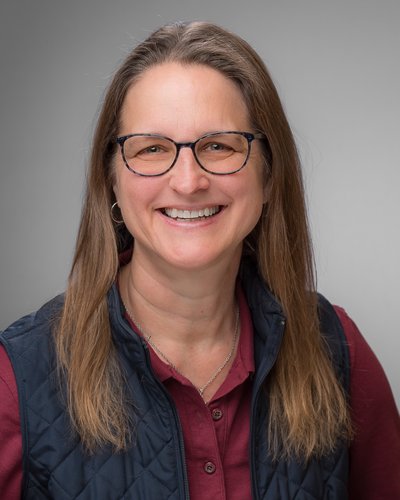
Pam Kerley has a master's in Youth, Family, and Community Science and is the 4-H Program Assistant at the N.C. Cooperative Extension, Lee County Center. For more information about this topic and others contact Lee County 4-H. 4-H is a positive youth development program that offers activities to fit various interests, backgrounds, budgets, and schedules. In Lee County, 4-H provides opportunities for youth through in-school programs, after-school activities, clubs, and camps, welcoming all children eager to have fun, learn, and grow. In North Carolina, 4-H is powered by NC State Cooperative Extension and NC A&T University, bringing expert knowledge, resources, and practical tools to enrich daily life and support community well-being.
Published initially in the Sanford Herald on February 22, 2025.