Step into your garden, and you'll likely be greeted by the familiar buzz of bees and the flutter of butterflies. These charismatic insects often steal the show, but a closer look reveals a cast of other fascinating creatures playing vital, if less obvious, roles. Among them are the conopid flies, also known as thick-headed flies, which are intriguing insects with a bizarre life story that deserves our attention and even a bit of celebration.
Bee “Can-Openers”: Understanding Conopid Flies
(Updated: Feb. 20, 2026, 5:17 a.m.)
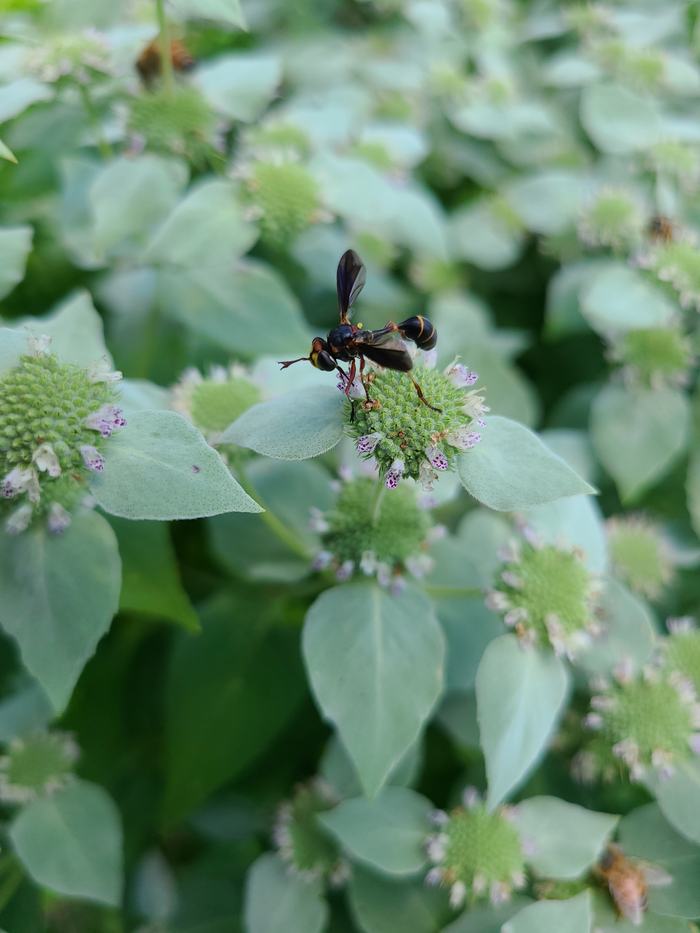
Masquerading in Plain Sight
At first glance, you might mistake a conopid fly for a wasp or a bee. Ranging from small to medium in size (about 4 to 18 millimeters), many sport striking black and yellow patterns, a clever disguise that offers them protection from potential predators. Look closer, and you might notice their characteristically robust "thick head" and a long, slender proboscis, or straw-like mouth part. This might be tucked beneath their head, ready to unfurl for a sip of nectar.Bizarre Life Cycles in the Garden
But it's the life cycle of the conopid fly that truly sets it apart. These insects are parasitoids, meaning their young develop inside another insect, ultimately leading to the host's death. The female conopid is a daring aerial hunter, intercepting bees and wasps mid-flight to deposit a single egg inside their abdomen. Some species even have specialized "can opener" like abdomens or harpoon-like ovipositors to ensure successful egg placement.The conopid larva stays inside of the host for a 10 to 12-day journey, feeding on the host's tissues. In a truly remarkable twist, some conopid species manipulate their bumblebee hosts into digging their own graves just before death. This macabre behavior actually benefits the developing fly larva, providing a safe and stable environment for overwintering underground.There’s Room for Bizarre in the Garden
While the thought of these flies parasitizing our beloved bees and wasps might give us pause, it's important to appreciate their role in the broader garden ecosystem. Conopid flies contribute to the natural regulation of insect populations. Some species even target insects we might consider pests, like grasshoppers and crickets. As adults, these flies also visit flowers to feed on nectar, potentially playing a part in pollination.So, are conopid flies friends or foes in the garden? The answer, as is often the case in nature, is complex. While their parasitic habits might seem unsettling, they are a natural part of the intricate web of life in our gardens. By planting a diverse array of flowers, we can provide nectar for adult conopids and support a balanced ecosystem where even the most bizarre creatures play an important role. Let's take a moment to appreciate these enigmatic garden guests and the fascinating, if sometimes gruesome, role they play in keeping our green spaces vibrant and dynamic.
~~~
Amanda Bratcher is the horticulture agent with N.C. Cooperative Extension- Lee County Center. You can reach out to the office at 919-775-5624 for more information or questions regarding this article, but also any other questions about your garden, farm, land or plants! We’re here to help! You can check out our website's events page for more information and to register for upcoming programs.
This article originally appeared in The Sanford Herald in April 2025. You can read more articles from the Herald here: https://www.sanfordherald.com/.Resources:
NC State ENT 425 Profile about Family Conopidae
NC Extension Gardener Handbook Chapter about Insects
Wikipedia Profile about Physocephala_tibialis, a thick-headed fly
Fun article from the University of Wisconsin- Milwaukee about Thick-Headed Flies
Join our mailing list!
Enter your email address to receive updates.
Written By