PROGRAM OVERVIEW
This was developed for in-person programming. With combined creativity we can support your classroom in this virtual world and as restrictions are ever changing, when you are back in the classroom.
“We are not alone.” Historically, this phrase has conjured up images of aliens waiting in space to descend on our unsuspecting planet. However, advances in technology over the years have meant that “we are not alone” applies to our own bodies, our own sense of self in the universe. It turns out that we are colonial creatures. For every one of our cells that is “us,” we also host ten times as many bacterial cells. Our digestive system alone is estimated to contain between 500 and 1,000 different bacterial species. Furthermore, we are learning that these bacteria and other microbes that inhabit our bodies, known collectively as our “microbiome,” are essential for our survival. Our microbiome helps to train our immune system to recognize invaders. It also helps us to better process food and nutrients. Some studies even suggest that our microbiome may affect our moods! Without our trillions of hitchhikers, we would be lost. However, despite our close relationship with our microbiome, not all bacteria are helpful to us. Many bacteria, which are fine outside of our bodies, become disease-causing pathogens once they get inside. Our bodies have many natural defenses against these invaders, including our skin, our mucous membranes, and our immune system. However, some do find their way in. For example, every year, thousands of people become sickened by a bacteria known as Salmonella. Salmonella bacteria cause a disease known as salmonellosis which results in fever, abdominal cramping, and diarrhea. In some cases, salmonellosis can be fatal. Salmonella bacteria are found normally in the ground, in water, and in poultry and eggs. Proper food safety procedures, including thoroughly washing vegetables, storing food correctly, and cooking all foods to proper temperatures, can help prevent salmonellosis.
Sneak a Peek into materials included with the curriculum:
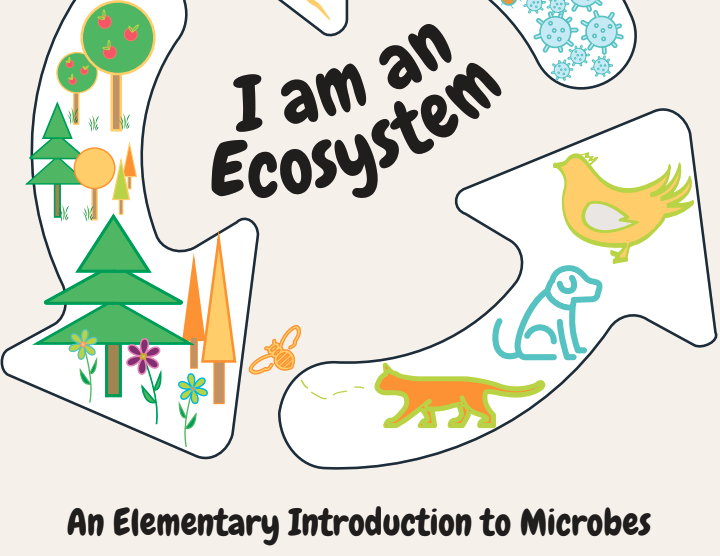
Elementary Program - In this unit, youth will confront some of the myths and facts surrounding microbes in general and Salmonella in particular. Youth will examine where microbes grow in the environment and under what conditions. They will investigate the roles that microbes play in a healthy ecosystem as well as the
roles that microbes play in our own bodies. Youth will also examine the negative effects of microbes as they investigate a disease outbreak. Finally, youth will apply their knowledge by designing technologies to help keep people safe from dangerous, food-borne microbes in our world.
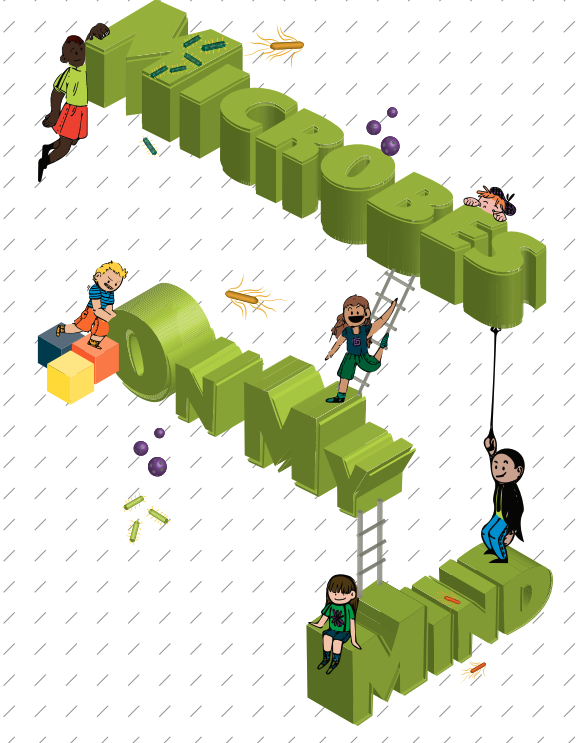
Middle School Program - In this unit, participants will discover the role microbes play in our bodies, our ecosystem, and our food. The activities provided will make it easy for the facilitator to explain the impact microorganisms have on humans in an interactive and engaging experience. These lessons are designed to encourage curiosity, resilience, and cooperation in our learners that will allow them to develop an understanding of the relationship between food safety, microbiology, and diseases, as well as the careers associated with microbiology. Participants will make connections between their existing knowledge of microorganisms, human health, and potential career paths related to this topic. Through the activities in this unit, participants will deepen their understanding of microbes in history, where they can be found, how to prevent the spread of microbes on them and in their food, and how certain careers have advanced to provide a better understanding of microorganisms. Participants will walk away knowing that microbes are a part of their everyday life and that not all microbes are
harmful, but some can be also be beneficial. Middle school participants will address some of the misconceptions surrounding microbiology and gain a better understanding of how important microbes are in our ecosystem. Participants will gain an understanding of the importance of food safety and the precautions that need to be taken to keep their bodies healthy and protected.
PROGRAM OBJECTIVES
- Increase student knowledge through hands on learning opportunities in areas of science and math, specifically Microbiology
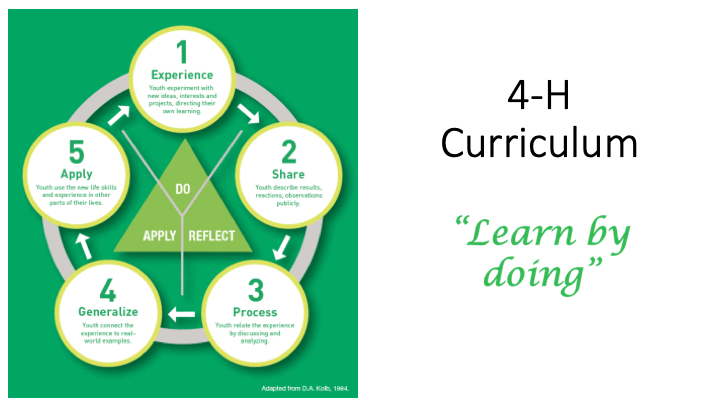
- Provide experiential learning the area of Microbiology
- Students will demonstrate skills and knowledge mastered from this experience