We all know what dirt is. It is sometimes used in reference to a secret about someone, but we are talking about real dirt here, soil. So what is so important about soil testing? Some background information can help us understand the benefits and find what we need to know about the real dirt beneath our feet.
Soil is a natural, living, breathing, self-contained substance that is composed of solids, liquids and gases. One of its main functions is to provide a medium with structural stability to enable plants to grow. Naturally occurring soils consist of layers of topsoil, subsoil, and parent materials which will vary in thickness and substance depending on your location. In North Carolina, parent materials range from decomposing bedrock in our mountains to marine sediments near the coast. Difference in parent material, climate, biological activity, topography and time will result in different soil types. More than 450 unique soil series are currently mapped in North Carolina.
Physical properties of soils such as color, texture, structure and water-holding capacity cannot be easily changed, however, a soil's fertility, which is a chemical property, can be. Soil testing measures the relative acidity (pH) and level of essential nutrients (phosphorus, potassium, calcium, magnesium, sodium, sulfur, manganese, copper and zinc) that are needed for plant growth. Different plants require different pH levels for optimum growth and productivity. North Carolina soils tend to be acidic as is most of the southeast. Without lime, pH is most often in the 4.5 to 5.5 range. Acid-loving plants like azaleas, blueberries and centipedegrass are well-suited here with a pH level from 5.0 to 5.5. But for most plants in North Carolina, the ideal level of pH is from 6.0 to 6.5. If soil pH is above or below their preferred range, plants may not be able to use nutrients available in the soil whether they are added or occur naturally. Over application of nutrients that plants cannot use can leach into the groundwater or run off into surface waters like rivers and streams. Plants may develop problems such as diseases, insects, nutrient deficiencies and dieback. Soil testing can eliminate the guesswork and provide an accurate guidance for applying fertilizer or adjustments to pH.
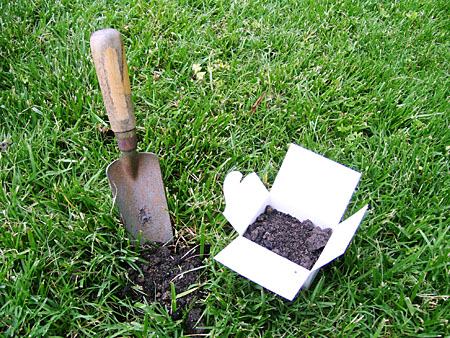
So, how do you take a soil sample? Forms and sample boxes can be obtained from your local extension office. Determine where you need to sample. Flower beds, vegetable gardens, home orchards and lawns need to be sampled separately. Use non-reactive tools such as stainless steel or chrome-plated for digging and a clean