Spring flowers herald the season’s change and bring us all joy for the warmer months. Yet, disease issues can stem from an idle winter and poor garden hygiene. Plant pathogens can survive the winter in the soil or in material left from a prior season. Generally the survivors are root and crown pathogens, such as the bacteria responsible for diseases like Southern bacterial wilt, and fungi like Thielaviopsis or Phytophthora. There are also pathogenic nematodes, like the root-knot nematode.
There are species that naturally inhabit the soil, and then there are the soil invaders that will quickly take over most of the resources in the soil. Invaders will be there while the food source is there and the feeding is easy, but their populations will dwindle when the host food source is gone. Crop rotation reduces access to the pathogen’s preferred food source and is a good technique to manage this invader population. The naturally-occurring soil microbes live longer in the soil because they have structures and strategies that help them survive time when resources are not available or are not picky about what they consume.
Some soil pathogens are associated with dead plant tissues. When the plant tissue starts to break down, called necrosis, that is when the pathogen makes an appearance. These diseases can be seen in Apple Scape and Black Spot of rose.
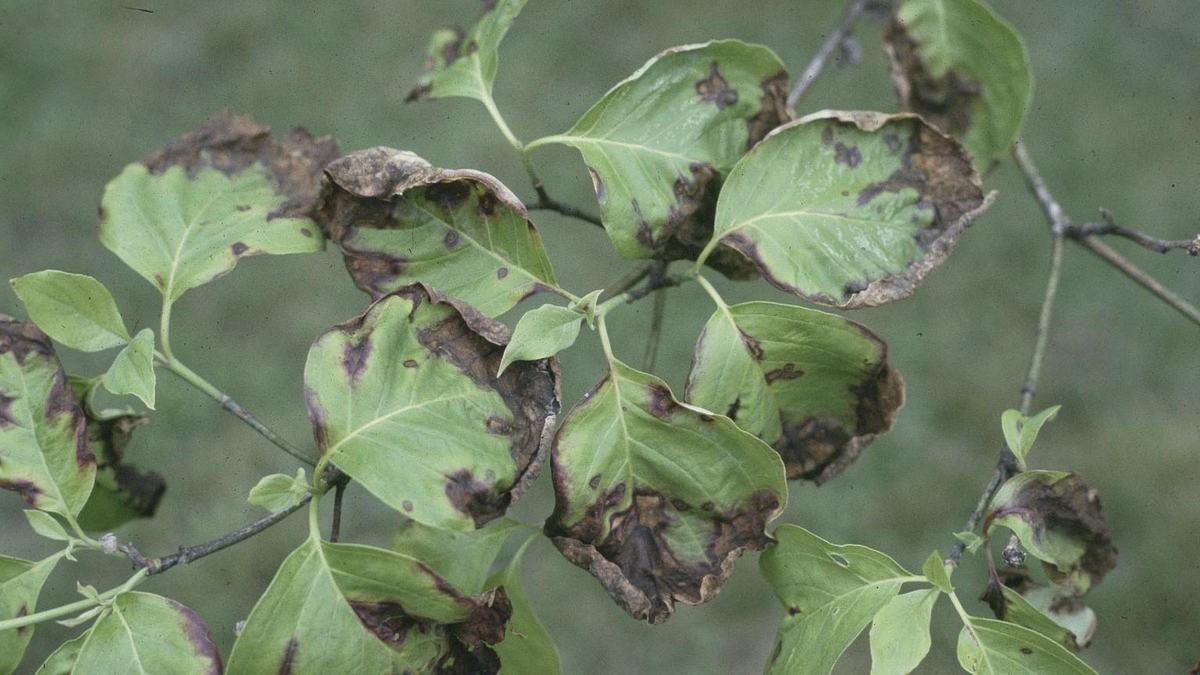
There are also diseases connected to living plants and are easier to spot. These pathogens range from the Entomosporium leaf spot on Indian Hawthorn to the bacteria that causes Fire Blight. Harder to see the original source, Spot Anthracnose on Dogwood hides in infected twigs and fruit, and it is only later that we see the results as diseased spots on the flower bracts.
Viruses are also pathogens that can affect plants! Rose rosette disease is caused by a virus that is carried by insects, and will become systemic in the plant and will survive all year. Weeds are another way that virus pathogens can survive all winter. Tomato spotted wilt virus and Cucumber mosaic virus get infected in spring from the pathogen virus that was hanging out in the winter weeds and hitched a ride to the new food source via aphid insects.
Sometimes a few viruses can actually arrive via infected seeds. Bacterial spot of tomato and pepper and Black Rot of crucifers are examples of these. Seed companies have quality control programs to try to stay on top of this problem. If you are saving your own seed from year to year, you need to be aware of the seedborne pathogens and watch for problems in order to rogue out infected plants.
Thankfully our winter is inhospitable to some of our least-favorite diseases, like downy mildew of cucurbits and some rust diseases. An especially cold winter can help with controlling some pathogens. The increasing warmth over the winter and the fewer cold snaps make it easier for pathogens to survive, though.
So, what is a gardener to do? If you have had pathogen problems in your vegetable garden, make sure to destroy the diseased tissue in a burn pile or dumpster, not your compost pile. Rotate your crops through your beds, so you are not planting the same crop in the same place every year. If you have recurring disease issues, look into resistant cultivars of plants. On your ornamental plants, make sure to discard diseased material, especially spent flowers, instead of letting it sit under your plants. As always, make sure to inspect your transplants, both the above and below ground parts! Finally, don’t let weeds take over!
This article was originally written by Minda Daughtry and edited by Amanda Wilkins, Horticulture Agent for North Carolina Cooperative Extension in Lee County.