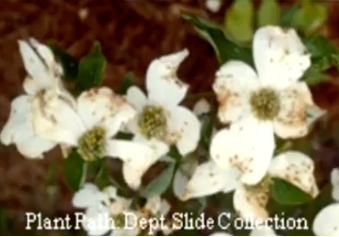
Pathogens survive the winter mostly in the soil. Generally the survivors are root and crown pathogens such as the bacteria responsible for diseases like Southern bacterial wilt, or fungi like Thielaviopsis or phytophthora, and of course there are the nematodes like the root knot nematode.
There are natural soil inhabitants and then there are the soil invaders. Invaders will be there while the food source is there and the feeding is easy, but crash when the host food source is gone. Crop rotation aids in denying access to the preferred meal and is a good technique to manage this invader population . The soil inhabitants have a longer timeline in the soil because they have an edge such as the resistant structures like the Chlamydospore, or can live off of decaying organic material in the soil or are not picky when it comes to host food sources and can find a meal more easily. Because they are hanging around longer, have more food source choices, soil rotation is not effective against soil inhabitants.
Some soil invaders are associated with soil pathogens linked with dead plant tissues. When the plant tissue goes through necrosis and begins to die the pathogen makes an appearance. These can be seen in Apple Scape, or Blackspot of rose. There are also diseases connected to living plants and are easier to spot. These pathogens range from the entomosporium leaf spot on Indian Hawthorn to fire blight. Harder to see the original source, Spot anthracnose on dogwood hides