PR Department: Flies Are the Good Guys
(Updated: Feb. 20, 2026, 5:05 a.m.)
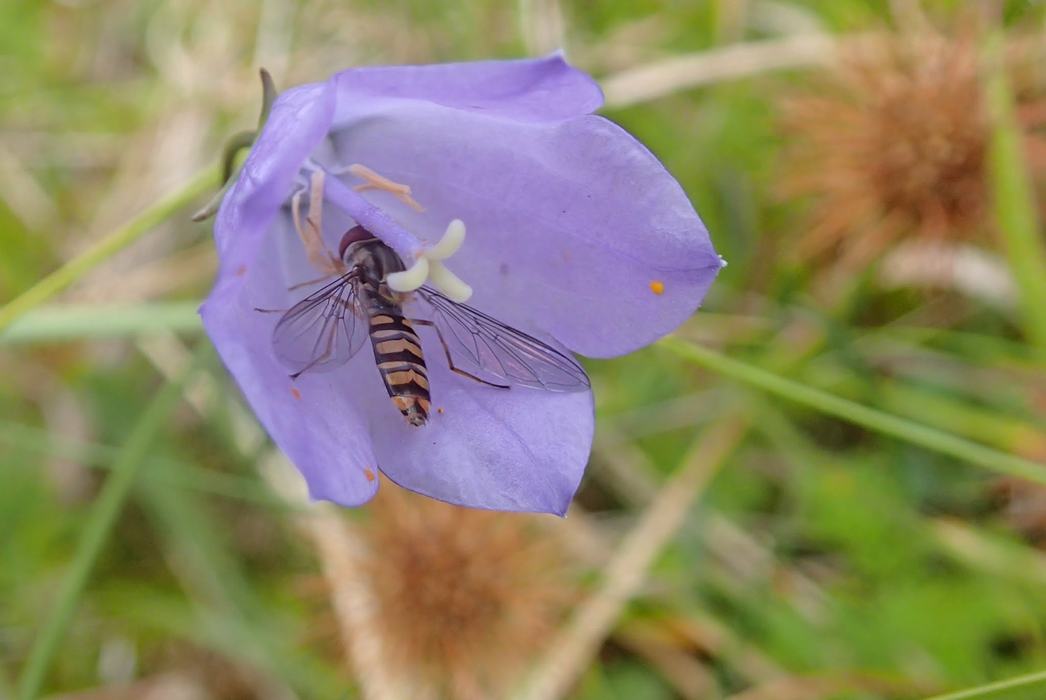
We’re going to make 2025 the “Year of the Pollinator” (well, every year should be about pollinators because we like to eat, right?), and there are so many favorites that come to mind: bees and butterflies are the most obvious. The one group we’d like to highlight at the beginning of the year as we turn over a new leaf, and maybe a fresh perspective, is the flies, in the taxonomic order Diptera. We may think they are annoying, gross or just plain scary (mosquitoes are a type of fly!), but the flies are critical parts of the ecosystem, too. Let’s explore the many roles they play in nature.
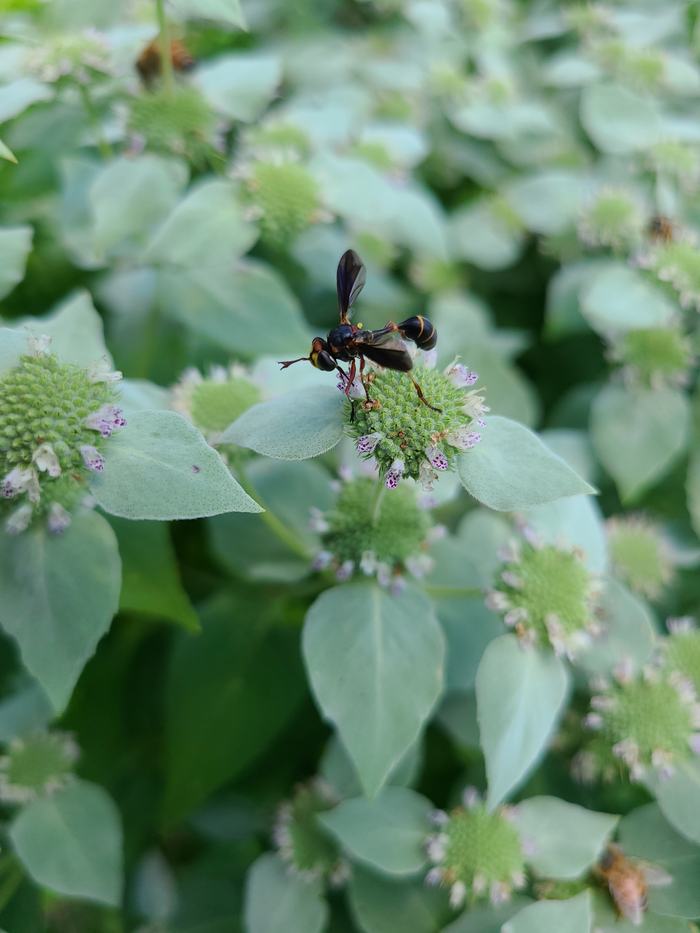
Parasites
We never like to think of ourselves as food, but flies in their larval and adult stages can function as parasites. Parasitism is a complex ecological interaction with both positive and negative consequences. By regulating populations, increasing biodiversity, and influencing nutrient cycling, parasites play a vital role in maintaining the balance and stability of ecosystems. One of the coolest stories that I will share later in the year is about the can-opener flies! Stay tuned!Foundation of the Food Web
Fly larvae and adults serve as a food source for other animals, such as birds, spiders, and other insects. They can produce prolific amounts of offspring each generation because of this anticipation of most of them being eaten! This helps maintain the balance of the food web. We may be annoyed or frightened when we contemplate mosquitoes in the ecosystem, but they are a critical part of the local ecosystem and when they are not present many of the animals that rely on them for food also disappear (aka birds, bats and other insects!).So, next time you see a fly resting on a flower, a mosquito larva squirming in the water, or a maggot chewing on rotting fruit, remember that the organism is providing a vital ecosystem service to you, your garden, and your local ecosystem. You don’t need to tolerate the mosquitos (get some mosquito dunks and pour out any standing water you can!), but don’t let the “ick” factor cause you to act in every case. Live and let live. Flies are the good guys (most of the time!).
~~~
Amanda Bratcher is the horticulture agent with N.C. Cooperative Extension- Lee County Center. You can reach out to the office at 919-775-5624 for more information or questions regarding this article, but also any other questions about your garden, farm, land or plants! We’re here to help! You can check out our website at https://lee.ces.ncsu.edu/events/ for more information and to register for upcoming programs.
This article originally appeared in The Sanford Herald in January 2025. You can read more articles from the Herald here: https://www.sanfordherald.com/.Resources
Join our mailing list!
Enter your email address to receive updates.
Written By