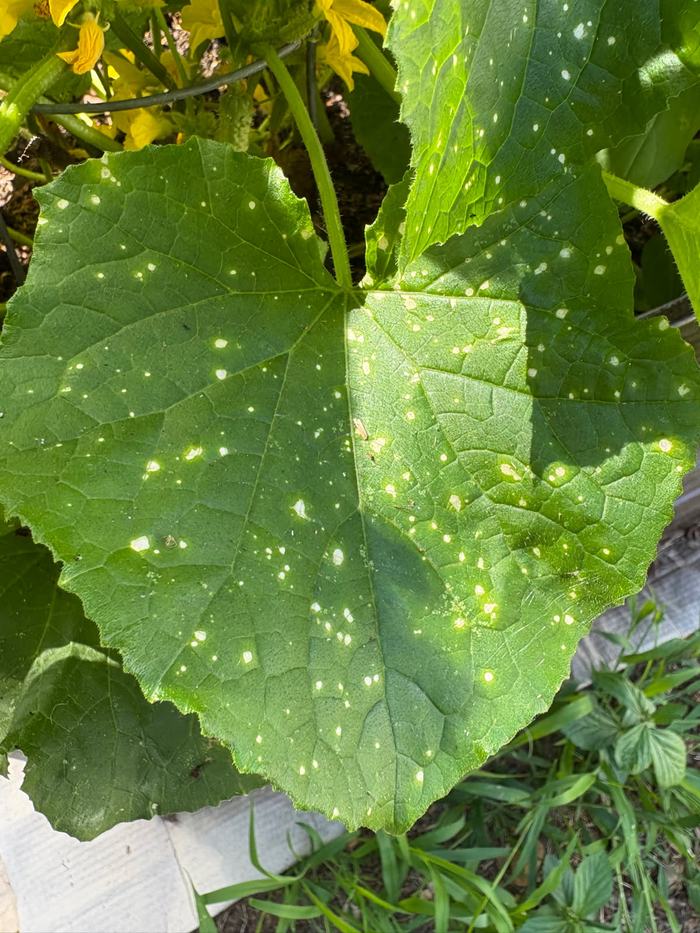
Squash plants have probably been churning out squash for a couple weeks and we are just starting to see the first few tomatoes. Yet, we have been experiencing an incredible amount of rain in Lee County over the past two months. On days when we are not expecting any rain we can get a 2-3-inch deluge in no time. While it has resulted in lush growth in our gardens and local ecosystem, it is also leading to an increase in diseases showing up and causing decline and death in our favorite plants. What can desperate home gardeners do to help their squash plants?
Why Rainy Weather Increases Diseases
Squash plants, which have been vigorously producing thanks to the abundant water, are now showing signs of distress. The culprit? An unfortunate convergence of factors fueled by the sustained wet conditions. To understand this phenomenon, one must consider the “disease triangle,” a fundamental concept in plant pathology. This triangle comprises three essential components for disease development: a susceptible host plant, a virulent pathogen, and environmental conditions conducive to the disease. In Lee County, the consistent rain is creating the perfect storm of environmental conditions.
Many plant pathogens, especially fungi and bacteria, thrive in wet environments. Prolonged leaf wetness provides an ideal breeding ground for these microscopic invaders, allowing them to germinate, infect, and complete their life cycles rapidly. Common squash diseases such as powdery mildew, downy mildew, and angular leaf spot are all known to flourish under these sustained moist conditions, leading to significant yield losses and even plant death.
Cultural Practices that Can Help Reduce the Likelihood of Disease
Fortunately, gardeners are not without recourse. Several cultural practices can significantly reduce the likelihood of diseases impacting squash plants. Crop rotation is paramount; avoid planting squash in the same spot year after year to break the disease cycle. Promptly removing and destroying any diseased plant material from the garden helps prevent the spread of pathogens. Furthermore, proper plant spacing is crucial. Ensuring good airflow between individual plants allows leaves to dry more quickly, minimizing the time pathogens have to establish themselves.
Caution When Turning to Chemicals
It can seem so easy to go buy a cure in a bottle if you go to a local garden supply store and head down the pesticide aisle. However, when it comes to chemical control, the approach must be specific to the identified disease. Different pathogens, whether bacterial or fungal, have unique life cycles and respond to different chemical treatments. It’s a common pitfall for gardeners to assume they know the problem, only to find their chosen treatment ineffective because the identification was inaccurate.
The best course of action for a diseased plant is to bring a sample to your local Extension Office for diagnosis. This critical first step ensures accurate identification of the pest or pathogen. For instance, copper fungicides can be highly effective against some pathogens, and ineffective and are not recommended for others. They must be applied correctly, as improper application can harm the plants themselves or, more concerningly, pose a risk to vital insect pollinators if the chemical contacts the flowers.
In these exceptionally wet times, vigilance, proper cultural practices, and professional diagnosis are key to safeguarding your cherished squash harvests. If all else fails, remove your plants and start again. Thankfully summer squash can start producing in four to six weeks and some of our winter squashes can produce into the fall due to our long season. Just remember: pick a new spot for your plants!
Amanda Bratcher is the Horticulture Agent for North Carolina Cooperative Extension in Lee County.