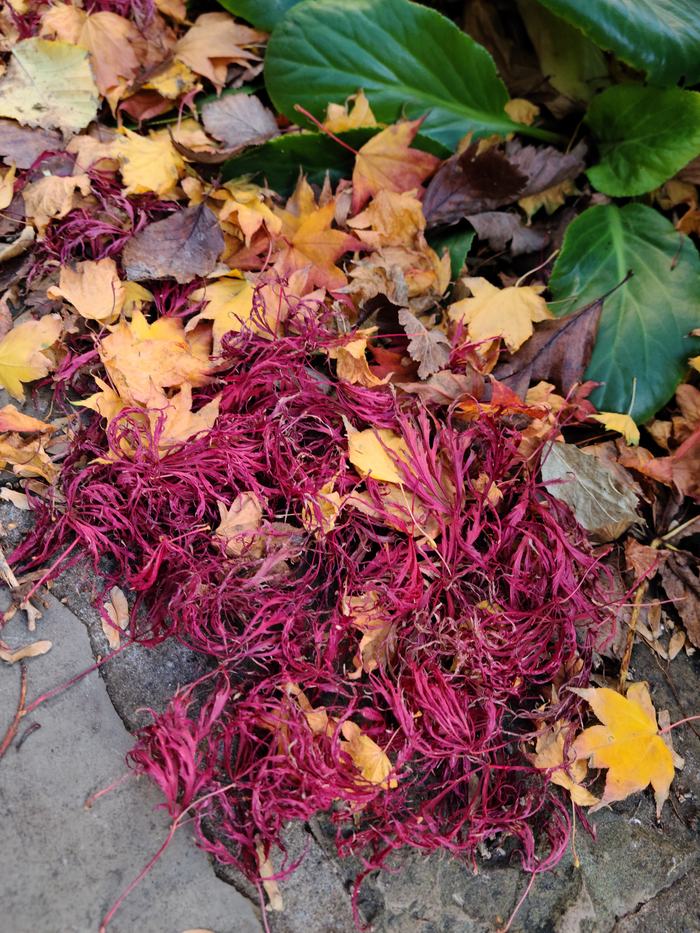
Our fall this year was pretty drawn out and dry, but the leaves have mostly fallen off the trees at this point. I can see folks have already started piling their leaves on the sides of the road and some are even still bagging (though not as many as I’ve seen before!). It seems the word is getting out and sinking in that “leaving the leaves” is important. This should also become the new normal for us. Let’s talk about why and strategize on what this can actually look like for you.
Why “leave the leaves”?
Fertilizer for your PlantsPlants spend a lot of energy making leaves throughout the growing season. When they drop them off, they are still made of carbon and other nutrients. It is through them breaking down that these elements are returned to the soil for the plants to reincorporate elsewhere. Most people see fallen leaves and innately feel the need to rake, blow or mow them away. This need for perceived “tidiness” is challenging to plants, because their self-made fertilizer is gone.
Build Soil Organic Matter
Building soil organic matter is the little-known next-step detail that comes from leaves breaking down. Do you have sand? Do you have clay? Then broken down leaves are for you! When your soil has high organic matter, it has the capacity to hold more water and nutrients, and support plant growth more efficiently.
Habitat/Places for Critters to Hide Over the Winter
Hundreds of small animals and insects use fallen leaf litter and small twigs for food and shelter through the winter months. They have no where to live in your yard if you keep it too tidy. These animals are going to be the ones doing the work (e.g. pollination, eating bad insects, etc.) in the spring and summer for you.
How You Can “Leave the Leaves”
Just LEAVE Them
Rake Them Into Your Flower Beds and Yard Edges
Consider raking or blowing leaves into your garden beds or creating wide mulch areas around the bases of your trees (just make sure to not bury any trunks!). The plants will benefit from the increase in organic matter and soil coverage, which can help with moisture in your soil and moderating soil temperature. If you don’t have these areas, blow them to the edges of your property or find a friend to take them for their yard.
Use Them In Your Compost Pile
Leaves are a great amendment to your compost pile, especially if you compost your lawn clippings and table scraps. Leaves are considered browns and are an important carbon source for bacteria and fungi that are turning your compost pile to black gold!
If You Have More Than You Can Use, Donate to a Friend or Put Them Out for City Pick-up (if you can)
There is always someone who could use some extra mulch or organic matter for their landscape and gardens. Make friends with your neighbors and gardening buddies and share the leaf love.
Mow Them Into Your Turf (Not Ideal for Critters)
There are some recommendations to mow the leaves into your lawn areas to incorporate them into your turf, but this could be detrimental to animals that have already made a home there. The better thing to do is move the leaves into a corner of the yard you don't mind leaving them.
DON’T Bag Them
The most important thing is do not bag those leaves! Putting leaves in plastic bags to go to the landfill is bad practice for a host of reasons, but namely that leaves are removed from the environment and there is unnecessary waste going into landfills.
Resources:
- Past Article:
Fall Gardening: Next Year’s Butterflies Are Tied to This Year’s Fall Garden Cleanup- Past Article: Lives in the Leaves: The Beautiful Moths and Butterflies That Sleep in the Fall
Amanda Wilkins is the Horticulture Agent for North Carolina Cooperative Extension in Lee County.