Weather & Seasonal Overview
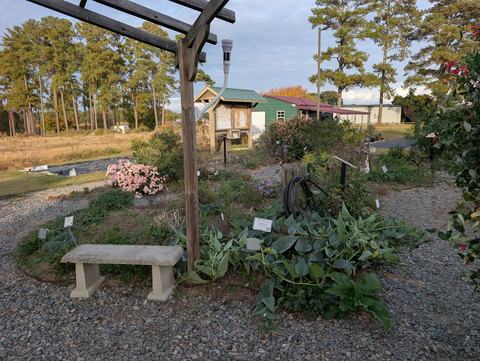
Fall is my favorite season, and this November has been remarkably warm and dry. We haven't had a hard frost yet—the coldest temperature logged at the Pollinator Haven Garden weather station so far has been 37°F . Because of these mild conditions, everything is still blooming and actively growing. While some plants are gradually fading and heading toward winter dormancy with the shortening daylight, others are coming into their own.
With the cooler night temperatures and shifting light, a lot of plants are experiencing a second flush of growth that almost feels like spring. Part of me is excited by this late bloom, but another part is anxious—I want these plants to enter dormancy properly and conserve their energy so we get a spectacular display in spring 2027.
Garden Highlights & Plant Performance
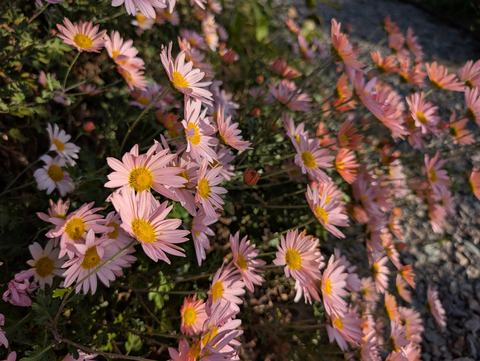
- Chrysanthemum 'Hillside Sheffield Pink': Absolutely stunning right now. The blooms shift between a blush pink and a shiny apricot. The sheer diversity of flies visiting these flowers is incredible—I only wish I could capture photographs of half the cool species landing on them. Check out how this has been identified as a top landscape performer by the Chicago Botanic Garden Plant Evaluation Program.
- Helianthus angustifolius (Narrow-leaved / Ditch Sunflower): We have a vibrant new patch growing in the ditch that divides the agricultural field from the main Garden. These were originally extra plants thrown out after propagation, and it’s hilarious how thoroughly they’ve settled in, flowered, and started to spread.
- Lantana camara: November is truly Lantana season out here. They’ve put on a fresh flush of growth and flowers, and the cooler night temperatures have deepened their foliage color, making the blossoms pop remarkably well. Butterfly TV is ON!
- Northwest Bed Kit Area: We installed a pollinator garden kit in May 2025 and it has really gotten going this year. We added some additional plants to round out the planting and they look fantastic. While the original kit bed would look a bit drab on its own right now, adding Salvia leucantha (Mexican Bush Sage), Little Bluestem cultivars (Schizachyrium scoparium), and Gaillardia aestivalis 'Grape Sensation' has transformed the space into a real feature. It’s probably my favorite!
- Hibiscus moscheutos (Swamp Rose Mallow): The bare, gray seed stems look wonderful right now. They add fantastic architectural structure to the fall landscape—some might just see dead stalks, but I find them striking.
- Monarda fistulosa (Wild Bergamot): Powdery mildew has moved in on the foliage just adjacent to the mums. It has been a very challenging year climatically—between the severe summer drought, Southern blight, and a stubborn mealybug infestation, the Monarda has had a rough go. Hoping next year brings better growing conditions for it.
Wildlife & Pollinator Observations
- Carpenter Bees: The sheer density of carpenter bees (both male and female) active in the Garden right now is remarkable. I really wonder where they are all planning to overwinter.
- Variegated Fritillaries & Passionflower Vine: Spotted several Variegated Fritillary caterpillars nibbling on the vines left in the Garden. Our passionflower vine (Passiflora incarnata) produced a huge crop of fruit and foliage this year. While it's great habitat and the host plant for the Variegated and Gulf Fritillaries, we’ll need to manage its spread more aggressively next season.
Field Work, Maintenance & Upcoming Projects
- Weed Control & Seedling Burn: Spent time burning back weed seedlings along the pathways using our propane tank and flame weeder (highly recommend- so fun and satisfying, when used safely!). Cool-season annuals like cudweed, chickweed, and henbit (Lamium amplexicaule) are popping up everywhere—a sure sign that autumn is truly here.
- Volunteers & Garden Editing: Now that the plants have had a moment to bounce back, we need to get in and remove or relocate volunteer seedlings. Garden editing is an ongoing, year-round process.
- Compost & Garden Expansion: The compost/debris pile is bedding down for the season, though it’s still full of woody debris which is important overwintering habitat. I have no data to support this other than anecdotal observation, but I have seen an increase in insect diversity in the Garden and I attribute that to the debris pile. We’ve been using a vinyl tarp to protect a compost pile, but I am curious about clearing more grass between this area and the main garden to expand our bed space. We also have the adjacent field available for potential future projects.
- Seeding & Cool-Season Blooms: The seeding project started back in January is reflushing with cool-season annuals like Indian Blanket (Gaillardia pulchella) and California Poppies (Eschscholzia californica). Around Veterans Day, we’ll throw out additional poppy seeds to build on this flowering display for spring.
Looking Ahead to 2027
Despite how exhausting 2026 has been climatically, the gGarden looks great overall. Soil fertility will be a focus for next season—while some plants are thriving, others are merely persisting and would benefit significantly from an application of fertilizer.
If we can get some more rainfall over the winter and early spring, I am very optimistic about what the Garden will look like across the 2027 season. That is the ultimate gift of being a gardener: you always have reason to hold onto hope for the future. As long as you keep planting, there's always something wonderful to look forward to.
Get In Touch!
Amanda Bratcher is the horticulture agent with N.C. Cooperative Extension—Lee County Center. Have questions about gardening, pollinators, or landscape care? Reach out to our office at 919-775-5624 or visit our center at 2420 Tramway Road in Sanford. Find upcoming community classes on our events page at lee.ces.ncsu.edu/events/!